
 Facebook
 X
X
 Pinterest
 Copy Link
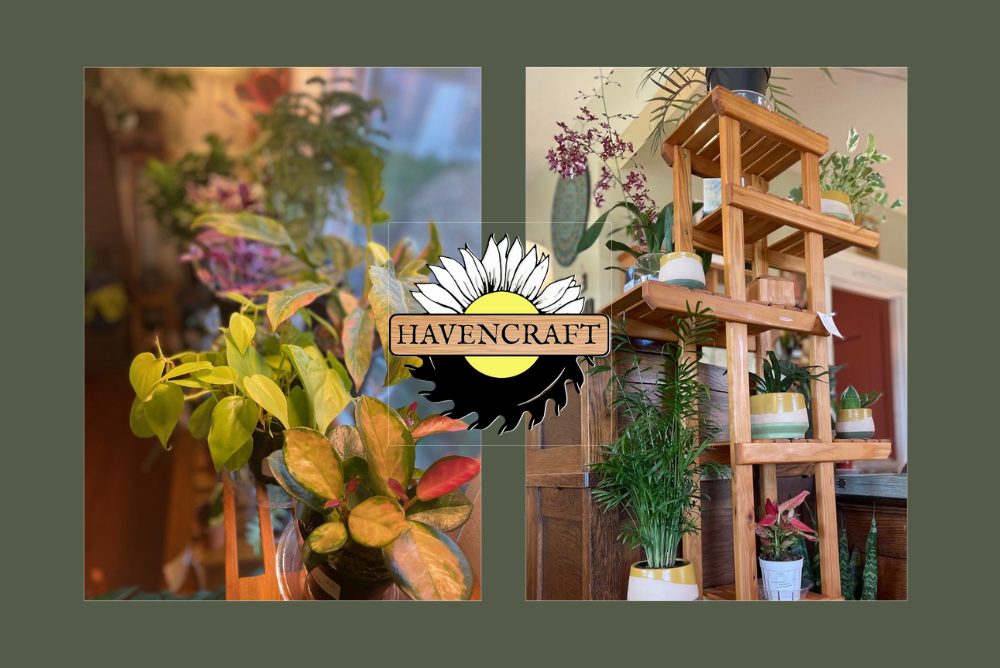
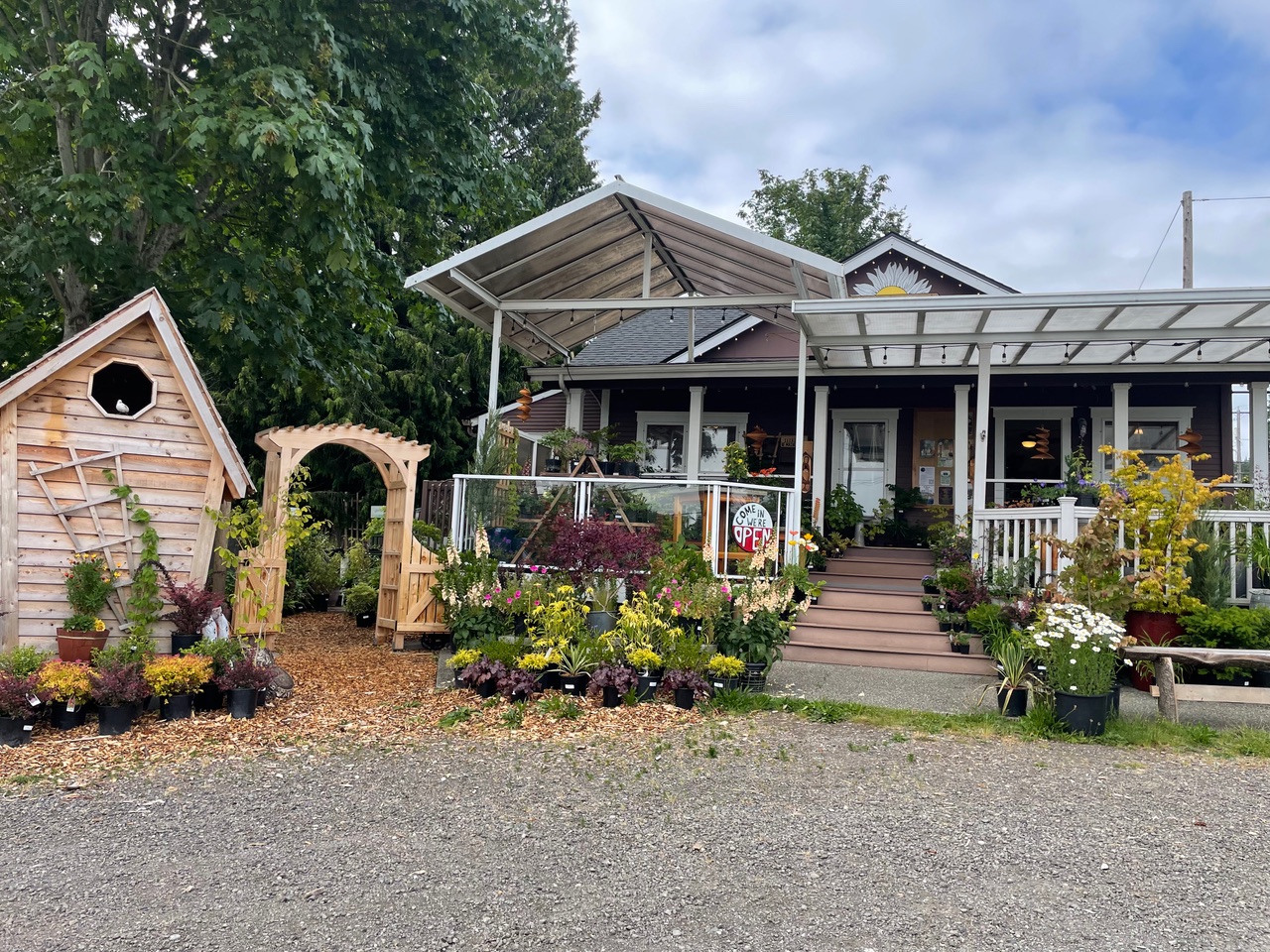
Born from a shared love of nature, art, and the joy of creating beautiful spaces, Havencraft is a vibrant shop in downtown Kingston, two blocks from the ferry. We asked co-owner and certified horticulturist Anja McElvaney about how best to incorporate houseplants into a home. Here are her expert tips and insights.
Photos courtesy of Havencraft.
What are some great ways to integrate houseplants into your home decor?
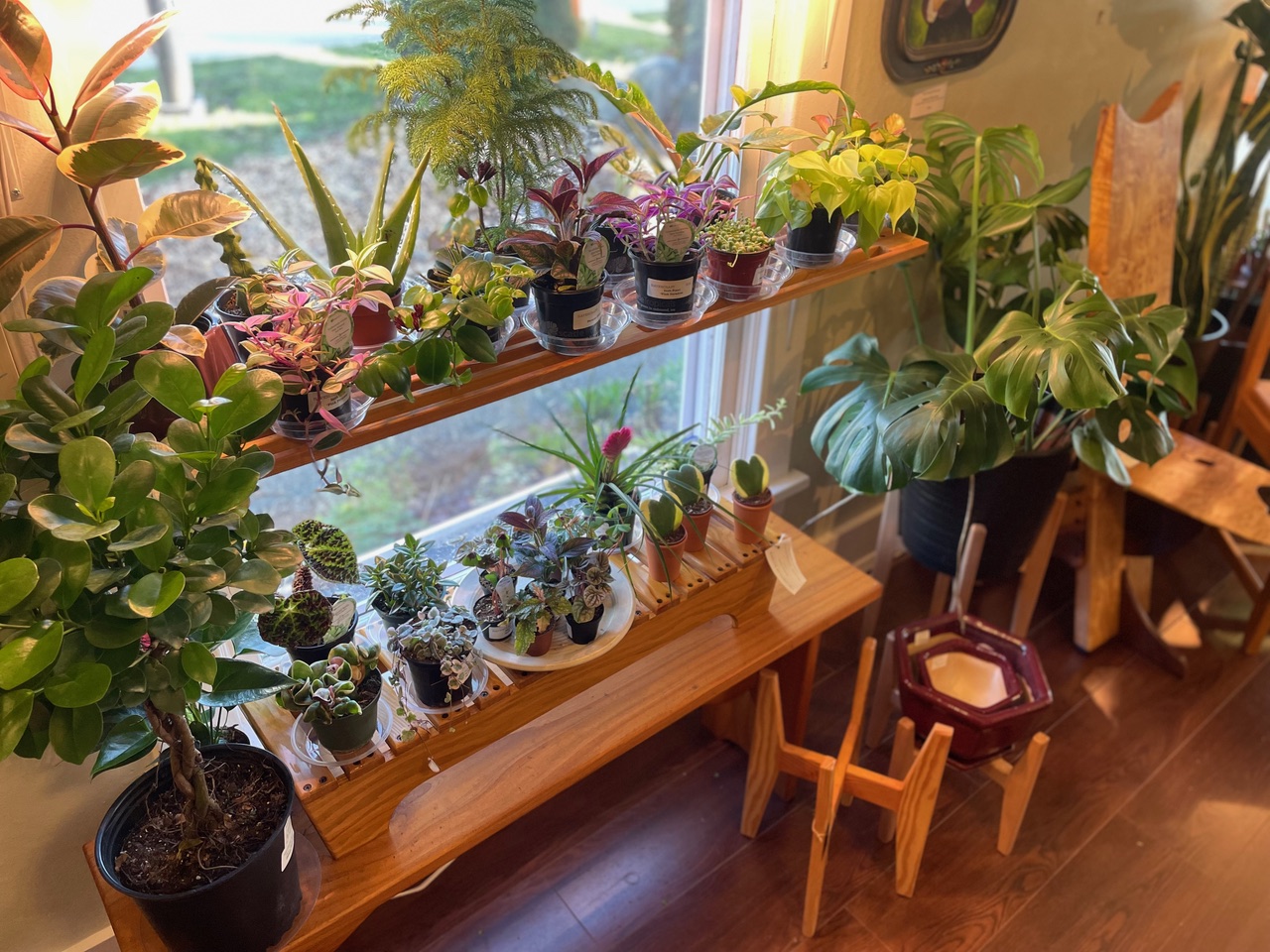
I think a space always feels more complete with some sort of living greenery. Even if you don’t think you’re a ‘plant person,’ there are easy-care plants that give more than they take. Consider a vining/trailing plant draped over a shelf or placing an upright plant at a corner to soften hard lines. A small plant or mini-garden on a dining or coffee table can provide a perennial centerpiece. High ceilings and large windows are ideal locations for a more dramatic statement plant or a living wall where the shelving is tailored to a variety of greenery.
Which types of plants do you suggest for folks who are looking for lower-maintenance options?
When people refer to ‘low-maintenance’ plants, they usually mean ‘drought-tolerant’. There are plenty of plants that do not require frequent watering, but there are a couple of other elements to consider when deciding which easy-care plants to select.
Consider that a plant’s watering needs will change depending on the amount of light it is receiving, which will be different in the summer than in the winter. And evaluating how much light a plant gets versus how much it wants is an important part of proper selection.
A few plants that are quite tolerant of intermittent attention (minimal water) include Snake Plant, ZZ Plant, Pothos, Rubber Tree, and Hoya. Snake Plant and ZZ Plant are tolerant of low water and also low light. Whereas Hoya and Rubber Tree are tolerant of low water but want some sun. You can always augment a particular plant’s light needs with artificial sources, but you’ll want informed plant and placement choices to minimize maintenance.
Another often-overlooked element is temperature, with the majority of houseplants being happiest at temperatures between 65-80 degrees Fahrenheit. Sometimes, a drafty window placement or heating vent can make a plant quite unhappy, mimicking thirst and therefore seeming higher maintenance or more problematic. It’s generally easier to revive a thirsty plant than it is a drowning one.
What are some of the benefits of having plants in your home?
The first and most obvious benefit of houseplants is the aesthetic improvement of fresh greenery. Great design and furnishing can only go so far to make a space feel warm and welcoming. A less obvious, but no less important benefit is the well-documented ability of plants to clean the air of pollutants while exhaling oxygen. While some folks may be inclined to use convincing imitation plants as accents, they don’t offer the same feeling, let alone the additional benefits of purifying the air and offering a therapeutic exchange of caring for another living entity. The meditative act of tending to a living, breathing, eating, drinking member of the plant family is known to have physical and mental health benefits such as reducing stress and tension. It can lower blood pressure and lift one’s spirits. When so much around us feels out of our control, the simple act of caring for a reciprocal being can help us feel grounded, centered, and calm.
What trends are you seeing right now with plants/design?
There continues to be a movement toward simplicity and minimalism that values clear open space, clean lines, and utilizing natural materials. Including plants in that scenario is a great way to make a simplified space feel less sterile and more homey. Oftentimes, that leans plant choices toward cleaner lines to echo the architectural surroundings or to balance those structures with full foliage that gives a nod to the wild.
Container choices and their support are the other parts of the design equation when it comes to houseplants. Depending on the rest of the decor, there’s a move toward incorporating pops of bold color in otherwise neutral color schemes or subtle patterned/textured pots to keep the focus on the plant. A proper plant stand also provides a distinct design opportunity capable of not only lifting plants off the ground but also elevating those plants to become members of the household.
What other products or services do you offer?
Havencraft is a blend of plants and woodwork, a gallery, and gifts. I am a horticulturist and landscape liaison offering garden consultations, coaching, and design. My partner is a carpenter, contractor, and artist offering custom indoor and outdoor builds and furniture. We sell outdoor plants, custom arbors, sheds, gazebos, benches, tables, shelves, etc., all built and sourced locally. Together, we offer homeowners a variety of ways to tailor their inner and outer spaces to create their own haven.
We also offer a variety of locally made items from other artisans. This ranges from pottery, jewelry, wall and garden art to soaps, candles, teas, and seeds. I curate a rotating collection in and around a century-old house that people get to wander through and explore.
Is there anything else you would like to share about your shop/services?
We also host classes and events! Classes include plant-related topics, art, and crafts, such as building fairy houses and learning watercolor. Other events include house and porch concerts, campfires, and curated community gatherings.
You can find out about events and other offerings on Havencraft’s website and by signing up for emails at www.haven-craft.com. And, stay in the loop by following them on Instagram and Facebook.
Shop Hours:
Wed. – Sat.: 10:00 AM – 6:00 PM | Sun.: 10:00 AM – 4:00 PM | Mon. & Tues.: by appointment
